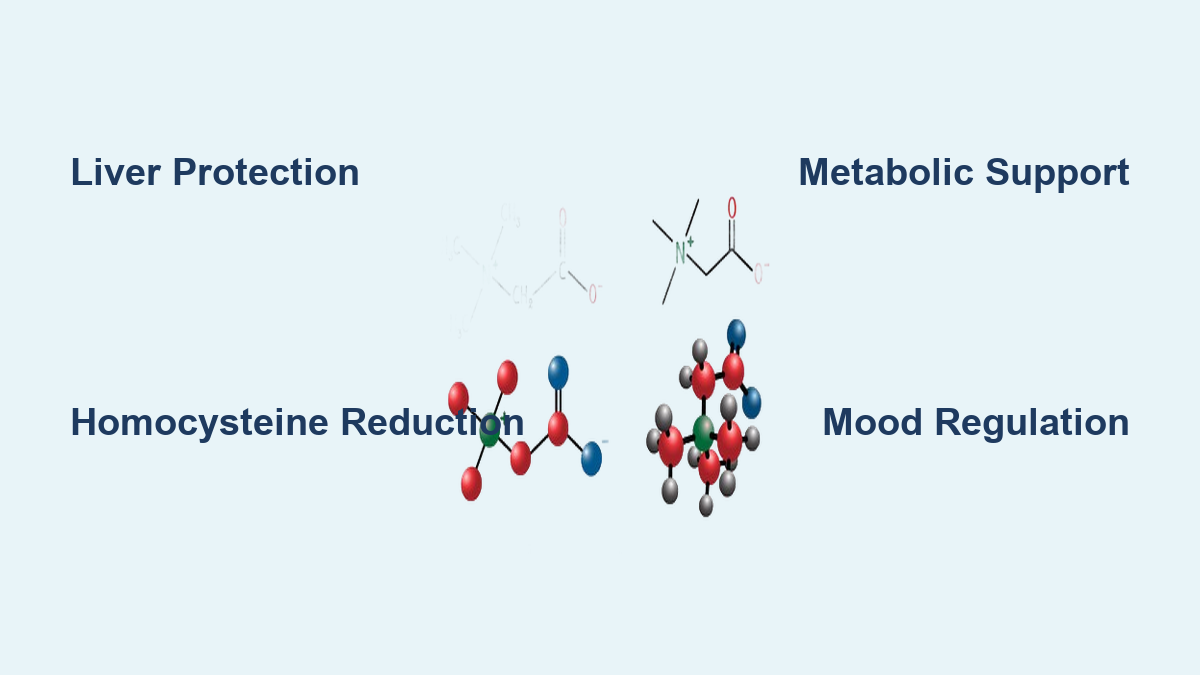

When your body struggles with cellular protection and methylation processes, trimethylglycine supplement benefits become critically important for restoring balance. Also known as betaine, this naturally occurring compound—first discovered in beets over a century ago—plays two vital roles in human physiology: protecting cells against osmotic stress and donating methyl groups for essential biochemical reactions. While you consume small amounts through foods like spinach, shellfish, and whole grains, targeted supplementation delivers concentrated benefits for specific health conditions. Research confirms that trimethylglycine supplementation actively supports liver function, cardiovascular health, metabolic efficiency, and neurological protection through its dual-action mechanisms.
Unlike many supplements with limited applications, betaine’s versatility stems from its fundamental role in core physiological processes. Whether you’re managing fatty liver disease, seeking cardiovascular protection, or optimizing metabolic function, understanding how trimethylglycine works helps you leverage its full potential. This guide examines the evidence-based benefits, proper usage, and strategic implementation of trimethylglycine supplementation for measurable health improvements.
How Trimethylglycine Functions as Your Body’s Methyl Powerhouse
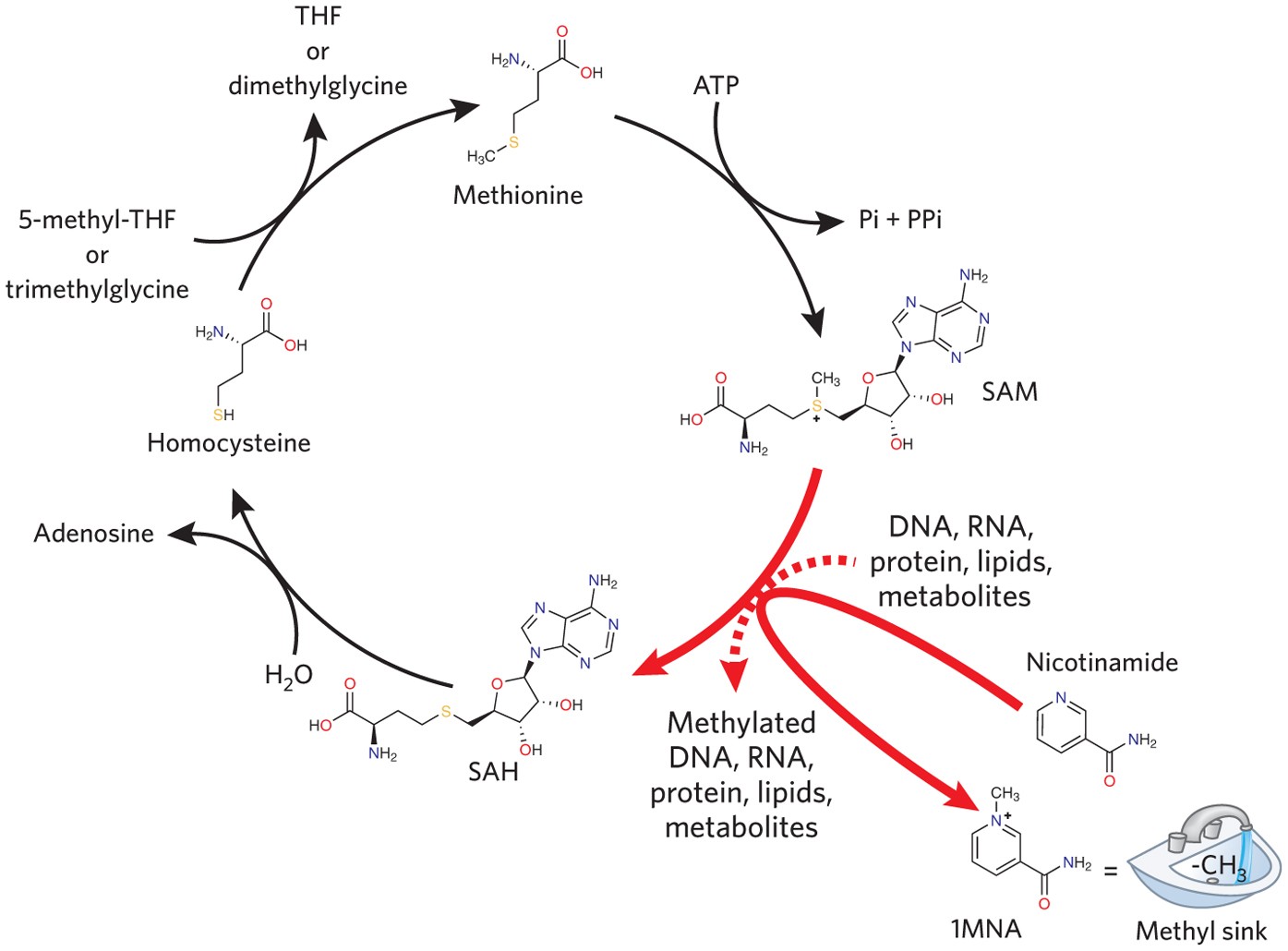
Trimethylglycine’s scientific name reveals its chemical advantage—a molecule containing three methyl groups attached to a glycine backbone. This structure enables betaine to serve as a highly efficient methyl-group donor, transferring these critical components to other molecules throughout your body. When you take trimethylglycine supplements, you’re directly supporting dozens of biochemical processes that depend on proper methylation.
Betaine’s most clinically significant methyl-transfer action converts homocysteine (a potentially toxic metabolite) to methionine through the betaine-homocysteine methyltransferase (BHMT) pathway. This conversion proves crucial because elevated homocysteine levels independently increase cardiovascular disease risk. By donating a methyl group, betaine simultaneously removes this harmful compound while generating methionine—an essential amino acid required for protein synthesis and many other functions.
Beyond homocysteine management, betaine maintains the critical SAM:SAH ratio—ensuring adequate levels of S-adenosylmethionine relative to S-adenosylhomocysteine. This balance directly impacts multiple methyltransferase enzymes regulating:
– Phospholipid synthesis
– Protein repair mechanisms
– Cellular apoptosis (programmed cell death)
– Proteasome function (cellular waste disposal)
Why Your Cells Need Trimethylglycine for Osmotic Protection
As an osmolyte, trimethylglycine provides essential protection against cellular dehydration and protein damage. Betaine’s unique molecular structure allows it to interact with water molecules while avoiding binding to protein surfaces—enabling your cells to maintain proper fluid balance under stress. This protective function becomes especially vital in tissues exposed to varying solute concentrations like your kidneys, liver, and intestinal tract.
Research demonstrates betaine’s superior effectiveness as an osmolyte, particularly for protein hydration. It forms nearly complete water monolayers around proteins, preserving hemoglobin solvation and protecting against hypoosmotic stress. In your skeletal muscles, betaine maintains myosin ATPase activity and prevents structural changes caused by urea exposure. These protective mechanisms explain why your body significantly upregulates betaine transporter mRNA during hyperosmotic conditions—actively recruiting this compound to maintain cellular integrity.
Liver Protection Against Alcohol-Induced and Metabolic Fatty Liver Disease
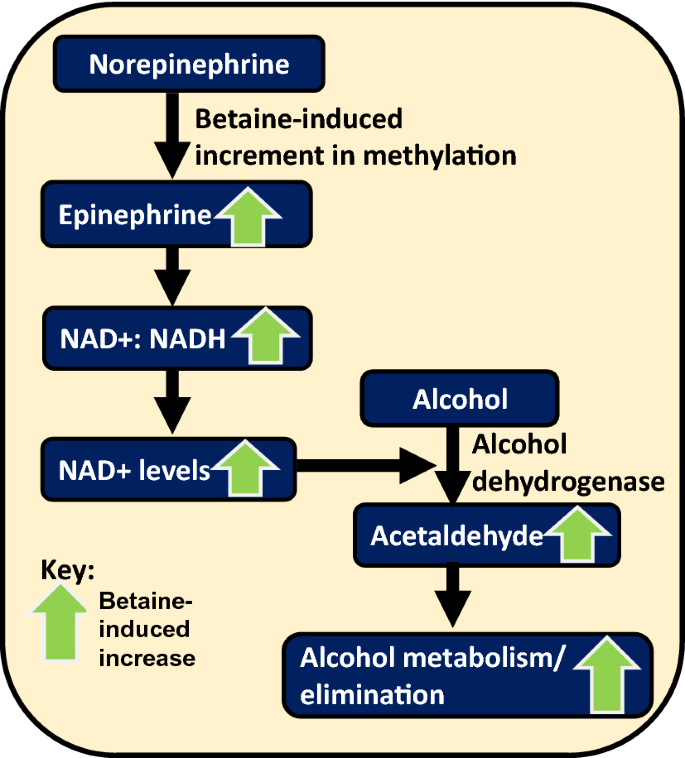
Chronic alcohol consumption disrupts methionine metabolism by decreasing hepatic SAM levels while elevating homocysteine and SAH concentrations. This methylation impairment drives the progression of alcohol-induced liver disease from steatosis (fatty liver) to inflammation and fibrosis. Trimethylglycine supplementation directly counters these effects by restoring the SAM:SAH ratio through the BHMT pathway.
Betaine preserves phosphatidylethanolamine N-methyltransferase (PEMT) activity, ensuring normal very low-density lipoprotein (VLDL) assembly and secretion. Without this function, triglycerides accumulate in hepatocytes causing fatty liver. Additionally, betaine activates AMP-dependent protein kinase (AMPK), which:
– Enhances genes for fatty acid transport and oxidation
– Decreases fatty acid synthesis
– Blocks alcohol-induced nitric oxide synthase 2 production
– Preserves mitochondrial function
How Trimethylglycine Reverses Metabolic-Associated Fatty Liver Disease
Metabolic-associated fatty liver disease (MAFLD), previously called non-alcoholic fatty liver disease, affects millions worldwide. This condition develops from excessive caloric intake, persistent free fatty acid delivery from expanded adipose tissue, increased fat synthesis, and impaired VLDL export. Clinical trials confirm that trimethylglycine supplementation effectively reduces steatosis, inflammation, and fibrosis in MAFLD patients.
Betaine combats MAFLD through multiple mechanisms:
– Remethylating homocysteine to restore phosphatidylcholine generation
– Stimulating β-oxidation to break down existing fat deposits
– Enhancing autophagic activity (cellular cleanup mechanisms)
– Increasing serum adiponectin levels disrupted by metabolic dysfunction
– Alleviating reactive oxygen species-induced mitochondrial dysfunction
Cardiovascular Protection Through Homocysteine Management

Elevated homocysteine levels represent an independent risk factor for cardiovascular disease, increasing your risk regardless of cholesterol levels, blood pressure, or smoking status. Trimethylglycine’s ability to efficiently convert homocysteine to methionine provides direct cardiovascular protection by lowering this dangerous biomarker.
Beyond homocysteine reduction, betaine supports heart health through powerful anti-inflammatory and antioxidant effects. Research demonstrates that trimethylglycine:
– Upregulates your body’s antioxidant defense system
– Suppresses pro-inflammatory cytokines like TNFα, IL1β, and IL6
– Reduces expression of cyclooxygenase-2 (COX2)
– Protects against isoprenaline-induced myocardial dysfunction
These combined effects help prevent the cellular damage that initiates and accelerates atherosclerotic disease, making betaine a valuable component of any cardiovascular protection strategy.
Metabolic Benefits for Weight Management and Insulin Sensitivity
Trimethylglycine supplement benefits extend significantly into metabolic health, with research showing effects on adipose tissue transformation that directly impact weight management. Betaine enhances the conversion of white adipose tissue (which stores fat) to brown adipose tissue (which burns calories for heat) through mitochondrial biogenesis stimulation. This “browning” effect increases your energy expenditure and reduces fat accumulation.
For those with insulin resistance or metabolic syndrome, betaine improves glucose metabolism through:
– Reducing inflammation in adipose tissue
– Improving adipokine profiles (signaling molecules from fat cells)
– Activating AMPK to enhance fatty acid oxidation
– Downregulating sterol regulatory element-binding protein-1 (SREBP-1), which controls fat synthesis
How Trimethylglycine Optimizes Liver Fat Metabolism
Betaine’s influence on liver fat metabolism proves particularly valuable for metabolic health. The compound suppresses the expression of lipogenic enzymes including fatty acid synthase and acetyl-CoA carboxylase while promoting fatty acid breakdown. This dual action prevents new fat production while clearing existing liver fat deposits—addressing a key factor in metabolic syndrome progression.
Neuroprotective Effects and Mood Regulation Support
Emerging research reveals significant neuroprotective properties of trimethylglycine supplementation that suggest applications for brain health maintenance. Studies in animal models associate betaine with resilience to anhedonia (inability to experience pleasure), indicating potential mood regulation benefits relevant to depression and stress-related disorders.
Betaine demonstrates anti-nociceptive and sedative properties through interactions with:
– Opioidergic receptors (involved in pain regulation)
– Gamma-aminobutyric acid (GABA) receptors (primary inhibitory neurotransmitter)
These neurological effects, combined with betaine’s antioxidant and anti-inflammatory actions in neural tissues, help maintain the cellular environment necessary for optimal brain function and may support healthy cognitive aging.
Gastrointestinal Protection and Gut-Liver Axis Support
Trimethylglycine provides substantial protection for gastrointestinal function and intestinal barrier integrity. The compound regulates colonic fluid balance and transport across the intestinal epithelium, preventing the fluid and electrolyte imbalances that contribute to “leaky gut” syndrome. This protective function becomes especially critical for those with liver conditions, as intestinal permeability directly impacts liver health through the gut-liver axis.
Research demonstrates that betaine:
– Improves intestinal barrier function
– Maintains healthy gut microbiota balance
– Activates gastrointestinal digestive enzymes
– Ameliorates intestinal morphology issues
– Prevents bacterial translocation that causes systemic inflammation
Kidney Protection Against Toxin Exposure
Betaine’s osmolyte function proves particularly valuable for kidney protection, where high electrolyte and urea concentrations create significant osmotic stress on renal cells. Research shows that trimethylglycine protects against cadmium nephrotoxicity and other forms of kidney damage by maintaining renal cell integrity under challenging conditions.
Your kidneys naturally maintain high betaine concentrations under normal physiological conditions, reflecting this compound’s importance for renal function. By serving as an effective osmolyte, betaine helps preserve kidney function during exposure to environmental toxins and metabolic stressors.
Safe Daily Dosage Guidelines and Natural Food Sources
Clinical studies typically use trimethylglycine doses between 2-6 grams daily, divided into two or three servings. For liver-related conditions, research protocols commonly employ 6 grams daily, while cardiovascular applications often use 2-4 grams. Betaine is characterized as a stable, nontoxic substance with high tolerability, and the FDA has granted it Generally Recognized As Safe (GRAS) status.
The most concentrated natural food sources of betaine include:
– Wheat bran and germ (highest concentrations)
– Spinach (excellent plant-based source)
– Shellfish (particularly shrimp and clams)
– Beetroot (original discovery source)
While the typical Western diet provides 1-2.5 grams of betaine daily from whole wheat and seafood consumption, therapeutic supplementation typically exceeds what can be achieved through diet alone for specific health conditions.
Maximizing Your Trimethylglycine Supplement Benefits
For optimal results, take trimethylglycine consistently as its effects on methylation and cellular protection develop over time. Combining supplementation with dietary strategies that support methylation—including adequate B6, B12, and folate intake—enhances methyl-group donation effects. The strongest evidence supports trimethylglycine for liver protection (especially fatty liver disease) and cardiovascular health through homocysteine management.
Your individual response may vary based on genetics, existing health conditions, and lifestyle factors. Working with a healthcare provider ensures appropriate use based on your specific health status and goals. With its favorable safety profile and broad-spectrum physiological effects, trimethylglycine represents a valuable evidence-based option for supporting metabolic health, liver function, and overall physiological resilience.