
Zinc supplementation side effects are a critical consideration for anyone taking this essential mineral, whether for general health support or specific medical conditions. While zinc plays vital roles in immune function, wound healing, and cellular metabolism, understanding potential adverse reactions helps you use this supplement safely and effectively. Prescription zinc acetate formulations like Galzin and Wilzin are specifically indicated for Wilson disease treatment, where they function by blocking copper absorption in the gastrointestinal tract. However, even when used as directed, these supplements can trigger various side effects that range from mild discomfort to serious medical emergencies.
Many people mistakenly believe that because zinc is a naturally occurring mineral, supplementation must be completely safe. This misconception can lead to overlooking important warnings about proper dosing and potential interactions. The reality is that zinc supplementation side effects deserve careful attention, particularly when taking prescription-strength formulations. Being aware of these possibilities allows you to recognize warning signs early and seek appropriate medical guidance when needed. This guide focuses specifically on zinc acetate medication used for Wilson disease management, providing essential information about adverse reactions, drug interactions, and safety protocols.
Understanding zinc supplementation side effects helps you make informed decisions about whether this mineral is right for your health needs and how to use it safely. While this information comes primarily from pharmaceutical documentation for zinc acetate preparations, many principles apply broadly to understanding how your body might respond to zinc supplementation in general.
Identify Serious Allergic Reactions to Zinc Supplements

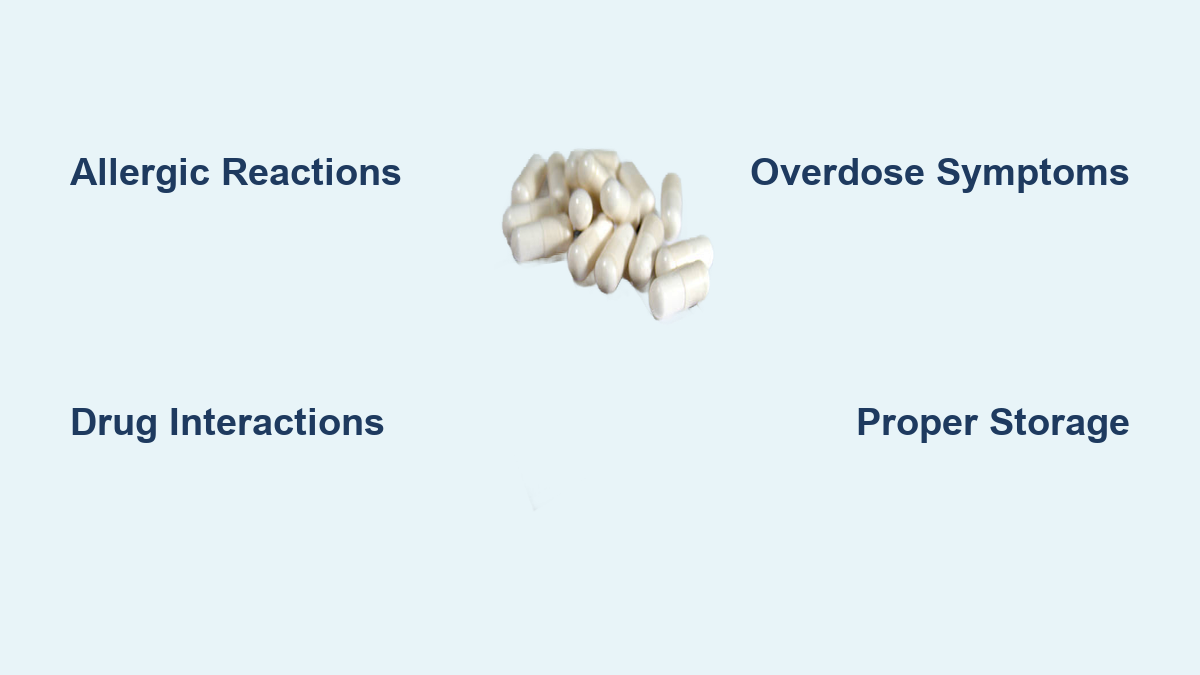
Allergic reactions represent the most critical category of zinc supplementation side effects and require immediate medical attention when they occur. While not everyone experiences allergic responses to zinc, recognizing the warning signs can prevent serious health consequences. The body may react to zinc itself or to additional ingredients present in commercial supplement formulations.
Skin manifestations often serve as the earliest indicators of an allergic response to zinc. Hives, characterized by raised, itchy welts on the skin, frequently appear within minutes to hours of taking zinc supplements. Accompanying symptoms include generalized itching without visible rash, redness or flushing, and areas of localized swelling. Any unexplained skin changes following zinc supplementation warrant careful monitoring and potential medical consultation.
The most dangerous allergic reaction involves angioedema, a condition characterized by swelling beneath the skin’s surface. This swelling most commonly affects the face, lips, tongue, and throat, though it can occur in other body regions as well. When throat or tongue swelling occurs, the condition becomes life-threatening as it can block airways and breathing. Additional severe symptoms indicating systemic allergic reaction include difficulty breathing, chest tightness, lightheadedness, and sense of impending doom. These symptoms require emergency medical intervention without delay.
What to Do During a Severe Allergic Reaction
If you experience swelling of your face, lips, tongue, or throat after taking zinc supplements, seek emergency medical help immediately. Don’t wait for symptoms to worsen—prompt intervention provides the best outcomes for severe reactions. While waiting for emergency services, try to remain calm and sit upright to maintain airway patency. If you have an epinephrine auto-injector prescribed for allergies, use it according to your healthcare provider’s instructions.
Understand Critical Drug Interactions with Zinc

Zinc supplementation side effects can intensify when combined with certain medications, potentially reducing therapeutic effectiveness or increasing adverse reactions. Always provide your healthcare provider with a complete list of all medications you’re taking, including prescription drugs, over-the-counter medications, and other supplements.
How Zinc Interferes with Antiviral Medications
Baloxavir, an antiviral medication used for influenza treatment, may have reduced therapeutic efficacy when taken concurrently with zinc supplements. Zinc can interfere with the absorption of this antiviral, potentially compromising its ability to combat influenza infection. If you’re prescribed baloxavir during flu season, discuss zinc supplementation timing with your healthcare provider—separating doses by several hours may be necessary, though professional guidance is essential.
Zinc’s Impact on Chelating Agents and Blood Medications
Edetate Calcium (EDTA), used in treating heavy metal poisoning, may experience reduced effectiveness when combined with zinc supplementation due to competitive chelation. This interaction potentially compromises treatment outcomes for heavy metal toxicity. Similarly, thrombopoietin receptor agonists like eltrombopag, prescribed for low platelet counts, may have altered plasma concentrations when combined with zinc, requiring careful monitoring and possible dosage adjustments by your physician.
Special Populations Requiring Extra Zinc Safety Precautions
Certain groups need specialized medical guidance before starting zinc supplementation due to altered metabolism, increased sensitivity, or different risk-benefit calculations. Understanding these considerations helps prevent unnecessary complications.
Pregnancy, Breastfeeding, and Pediatric Considerations
Women who are pregnant, attempting pregnancy, or breastfeeding should consult their healthcare team before initiating zinc supplementation. While zinc is essential for fetal development and maternal health, prescription-strength formulations require careful professional assessment. Children may be prescribed zinc for specific conditions but need carefully calculated doses based on body weight, age, and developmental stage. Adult doses scaled down inappropriately may still exceed safe levels for children’s smaller bodies.
Managing Allergy Histories with Zinc Supplements
Individuals with a history of allergies or unusual reactions to medications, foods, dyes, or preservatives should exercise particular caution with zinc supplementation. Disclose any prior adverse reactions to zinc products or related compounds before beginning supplementation, as this information helps healthcare providers assess risk and select appropriate monitoring strategies. Those with known sensitivities may require alternative approaches to addressing zinc status, such as dietary optimization rather than supplementation.
Proper Zinc Administration to Minimize Side Effects
Following correct administration guidelines significantly reduces your risk of experiencing zinc supplementation side effects while maximizing potential benefits. Consistency in timing and method helps maintain steady blood levels and reduces digestive irritation.
Optimal Timing and Technique for Zinc Supplements
Take zinc capsules with water, swallowing them whole without cutting, crushing, or chewing unless specifically instructed otherwise by your healthcare provider. Taking zinc on an empty stomach—at least one hour before or two to three hours after food consumption—optimizes absorption for many individuals. However, if you experience significant nausea, discuss with your provider whether adjusting timing with food might be appropriate, understanding this may slightly reduce absorption efficiency.
Establishing a Consistent Supplementation Routine
Create a reliable daily schedule to maintain stable zinc levels in your bloodstream, which supports consistent therapeutic effects and may reduce side effect variability. If you miss a dose, take it as soon as you remember unless your next scheduled dose is approaching—in that case, simply resume your normal schedule without doubling up. Taking extra doses to compensate for missed ones increases the risk of adverse effects without providing additional benefit.
Monitor Zinc Side Effects Proactively
Active monitoring of your body’s response to zinc supplementation enables early detection and management of potential side effects before they become serious concerns.
Tracking Your Supplement Response
Keep a simple log documenting when you take zinc, the dose, and any symptoms you experience. This record helps identify patterns and determine whether symptoms relate to supplementation or other factors. Note when symptoms occur relative to dosing times, as this information proves valuable when discussing concerns with healthcare providers.
When to Report Side Effects to Your Doctor
Persistent or bothersome side effects warrant professional medical reporting, even if they don’t constitute emergencies. Healthcare providers can evaluate whether your current approach needs adjustment, whether underlying conditions might be contributing to your sensitivity, or whether an alternative zinc formulation might better suit your needs. Don’t simply discontinue supplementation without professional guidance, as this may be unnecessary or could miss an opportunity to address the issue through timing or dosing adjustments.
Store and Dispose of Zinc Supplements Safely
Proper storage maintains supplement potency and prevents accidental ingestion by children or pets who might experience more severe effects from the same doses.
Secure Storage Practices
Store zinc supplements at room temperature, typically between 68-77°F (20-25°C), in a location completely inaccessible to children and household pets. Avoid storing in bathrooms or other humid areas, as moisture can degrade formulations and affect capsule integrity. Always check expiration dates before each use and dispose of expired supplements appropriately.
Responsible Disposal Methods
Medication take-back programs represent the preferred disposal method for unused or expired zinc supplements, available through many pharmacies and law enforcement facilities. If take-back options aren’t readily available, follow package instructions for disposal. When disposing in household trash, mix the supplements with undesirable substances such as cat litter, dirt, or coffee grounds to make them less appealing, then seal the mixture in a container before placing it in your regular trash.
When to Seek Emergency Medical Help for Zinc Side Effects

Knowing when zinc supplementation side effects require emergency intervention can prevent serious outcomes. Suspected overdose situations demand immediate contact with poison control centers or emergency room services.
Recognizing Zinc Overdose Symptoms
Signs suggesting zinc overdose may include severe nausea and vomiting, abdominal cramps, diarrhea, dizziness, headache, and persistent metallic taste. In severe cases, individuals may experience difficulty breathing, rapid heartbeat, sweating, and altered mental status. These symptoms require urgent evaluation, even if you’re uncertain whether zinc alone is responsible.
Emergency Response Protocol
If you suspect zinc overdose or experience severe allergic reactions, don’t wait for symptoms to worsen before seeking help. Contact your local poison control center immediately or go to the nearest emergency room. Bring the medication container with you to help healthcare providers identify the specific product and formulation involved.
Essential Zinc Safety Practices for Responsible Supplementation
Zinc supplementation side effects can be effectively managed through proper administration, vigilant monitoring, and open communication with healthcare providers. The most serious concerns involve allergic reactions requiring immediate medical attention—never ignore swelling of the face, lips, tongue, or throat, difficulty breathing, or widespread hives following zinc intake. Drug interactions with medications including baloxavir, EDTA compounds, and eltrombopag necessitate careful medication management and comprehensive communication with your care team.
Always take zinc supplements as directed, store them securely out of reach of children, and dispose of expired products through appropriate channels. When in doubt about whether symptoms warrant medical attention, err on the side of caution and seek professional evaluation. Your healthcare provider can help you weigh the benefits of zinc supplementation against potential risks in your specific situation and develop an approach that supports your health goals while minimizing adverse effects. Remember that more is not always better with mineral supplementation—following prescribed dosing guidelines represents your best defense against unnecessary side effects.